Learn which foods help protect your heart—and which ones could be putting it at risk. A simple guide to eating for heart health.
By Sergio Toledo
Editor-in-Chief, Heed to Heal
Introduction
When we think about taking care of our hearts, exercise often comes to mind first. But what we eat has just as much power to protect—or harm—our cardiovascular health. The heart is an incredibly resilient organ, but it depends on daily nourishment from the foods we choose. A diet rich in certain nutrients can reduce inflammation, lower blood pressure, and improve cholesterol, while other foods can quietly contribute to plaque buildup and long-term damage. The good news? You don’t have to overhaul your diet overnight. Even small, consistent shifts can make a meaningful difference.
What to Eat More Often
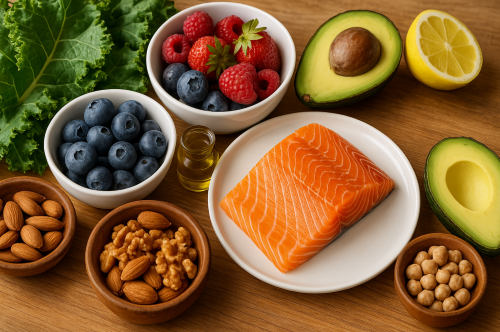
Certain foods have been shown to support heart health by reducing inflammation, lowering bad cholesterol (LDL), and supporting blood vessel function.
- Leafy Greens
Spinach, kale, and Swiss chard are full of vitamins, antioxidants, and nitrates that help regulate blood pressure and improve artery function.
- Berries
Blueberries, strawberries, and raspberries are packed with polyphenols—plant compounds that support healthy blood vessels and reduce oxidative stress.
- Fatty Fish
Salmon, mackerel, sardines, and trout provide omega-3 fatty acids, which help lower triglycerides, reduce arrhythmias, and decrease blood pressure.
- Nuts and Seeds
Almonds, walnuts, chia seeds, and flaxseeds are rich in healthy fats, fiber, and magnesium—all good for your heart.
- Whole Grains
Oats, brown rice, quinoa, and whole-wheat bread contain fiber that helps lower cholesterol and stabilize blood sugar levels.
- Olive Oil
A cornerstone of the Mediterranean diet, olive oil is rich in monounsaturated fat and has anti-inflammatory properties.
- Legumes
Beans, lentils, and chickpeas offer plant-based protein and fiber, supporting both heart and gut health.
Foods to Eat Less Often
While occasional indulgences are okay, regularly eating certain foods can strain your cardiovascular system over time.
- Processed Meats
Bacon, sausage, hot dogs, and deli meats often contain high levels of sodium, saturated fats, and preservatives.
- Refined Carbohydrates
White bread, pastries, and sugary cereals spike blood sugar and offer little nutritional value.
- Fried Foods
Frequent consumption of fried foods is linked to higher risk of heart disease, partly due to trans fats and excessive oil absorption.
- Sugar-Sweetened Beverages
Sodas, energy drinks, and sweet teas are heavy on added sugars, which contribute to inflammation, obesity, and metabolic issues.
- Excessive Salt
High sodium intake can raise blood pressure and increase the workload on the heart.
A Heart-Friendly Approach
The goal isn’t to be perfect—it’s to be mindful. Think in terms of balance and consistency. Swapping out red meat for fish once or twice a week, adding a handful of berries to breakfast, or choosing olive oil instead of butter are all small steps that add up over time.
Supporting your heart isn’t about rigid rules. It’s about caring for your body, listening to what it needs, and finding joy in the foods that nourish you.
References
- American Heart Association. (2023). Healthy Eating for a Healthy Heart
- Harvard T.H. Chan School of Public Health. (2023). The Nutrition Source – Heart Disease
- Mayo Clinic. (2023). Heart-healthy diet: 8 steps to prevent heart disease
- U.S. Department of Health and Human Services. (2022). Dietary Guidelines for Americans
- Cleveland Clinic. (2022). 12 Foods That Are Good for Your Heart
Originally published by Heed to Heal, 07.31.2025, under the terms of a Creative Commons Attribution-NonCommercial-NoDerivatives 4.0 International license.