Discover the science behind nostalgic scents and why childhood smells can calm stress. Learn how to use these powerful memory triggers for self-care.
By Sergio Toledo
Editor-in-Chief, Heed to Heal
Introduction
Have you ever caught a familiar scent and felt like you were transported back in time? Maybe it was the smell of crayons, your childhood shampoo, or cookies baking in the oven. These aromas don’t just remind you of the past; they influence your emotional state today. For many people, scents linked to childhood can be grounding and calming during stressful times.
Why Scent Connects So Deeply to Memory
Our sense of smell is unique because it links directly to the brain’s limbic system, which controls emotion and memory. This connection explains why a single whiff can bring back vivid images and feelings without effort. Unlike sounds or sights that require interpretation, scent shortcuts straight to memory.
In childhood, smell is a major part of experience. The aroma of birthday cake or your favorite shampoo often became associated with feelings of safety and joy. These early links stay stored in the brain for life, ready to resurface when the scent returns.
The Science behind Scent and Stress Relief
Stress pushes the body into high alert. Heart rate climbs, cortisol rises, and focus narrows. Exposure to nostalgic scents can interrupt that stress response. Research suggests these familiar smells activate brain regions tied to positive emotion, reducing physical tension and lifting mood.
You’ve probably felt this without realizing it. A hint of sunscreen may bring back summers outside, or fresh laundry might spark a memory of home. These moments can stabilize emotions and offer a sense of relief in an otherwise hectic day.
The Psychology of Emotional Anchors
Certain smells become tied to emotional experiences because of how memory works. When something significant happens, the brain stores sensory details alongside the feeling. For kids, moments of comfort—like bedtime stories or family meals—often include strong scents.
As adults, these aromas act like keys, unlocking stored emotions in an instant. That’s why the smell of something as simple as warm vanilla can shift your mood so quickly. This mechanism is the basis for therapies that use scent to reduce anxiety and improve well-being.
How to Reintroduce Comforting Scents into Daily Life
Bringing these scents back doesn’t need to be complicated. Start by recalling what smells stood out in your childhood:
- Freshly cut grass
- Vanilla from a favorite dessert
- A soap your family always used
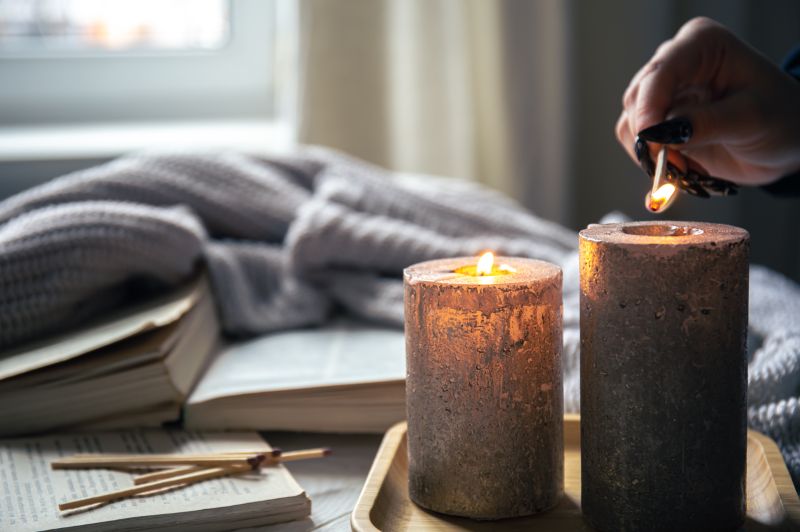
Once you identify them, look for ways to recreate those aromas. Bake something familiar, light a candle, or use an essential oil. Some people even keep a small item like an old book or lotion for quick access. Over time, this practice can become a simple yet effective tool for self-care.
Why Nostalgic Scents Still Matter
The smells that shaped our early lives don’t disappear—they linger quietly, waiting to resurface when we need them most. In a world that moves quickly, these scents offer a rare chance to slow down and reconnect with something steady. They remind us that comfort isn’t gone; it has simply changed form.
Revisiting those familiar aromas is not about living in the past but about carrying its warmth into the present. When life feels chaotic, a single scent can provide a sense of balance, a quiet reassurance that calm is still possible. Sometimes, healing begins with something as simple as a breath.
References
- Herz, R. S. (2016). The role of odor-evoked memory in psychological and physiological health. Brain Sciences, 6(3), 22.
- Chu, S., & Downes, J. J. (2000). Odour-evoked autobiographical memories: Psychological investigations of Proustian phenomena. Chemical Senses, 25(1), 111–116.
- Matsunaga, M., et al. (2011). Psychological and physiological responses to odors in humans. Frontiers in Psychology, 2, 6.
Originally published by Heed to Heal, 08.26.2025, under the terms of a Creative Commons Attribution-NonCommercial-NoDerivatives 4.0 International license.