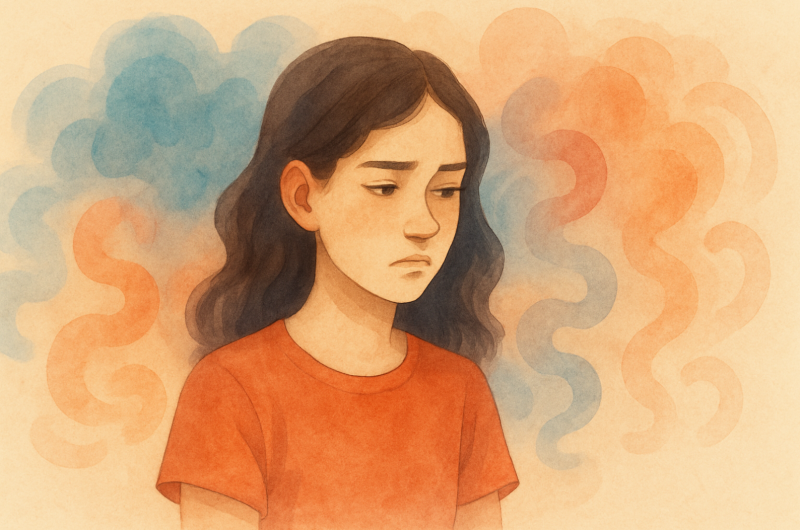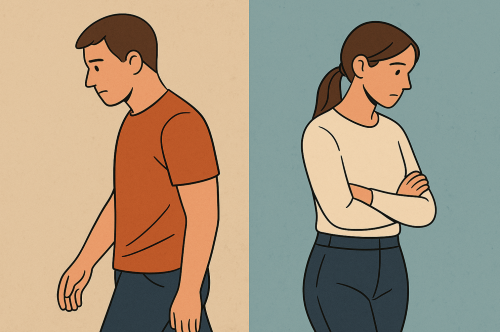
Examining the emotional impact of being told to “act like a man” or “be more ladylike,” and how breaking free from gendered expectations can lead to greater self-acceptance.
By Sergio Toledo
Editor-in-Chief, Heed to Heal
Introduction
From the moment we’re old enough to understand the world around us, many of us are told how we should act based on our gender. Boys are told to “man up,” “be strong,” and hide their emotions. Girls are told to “be ladylike,” “smile more,” and avoid being “too much.” These phrases might seem harmless to some, but for the people on the receiving end, they carry an emotional weight that lingers for years. Gendered expectations can create an invisible pressure to perform, to suppress authentic feelings, and to fit into a mold that was never made for us in the first place.
How Gendered Messages Shape Self-Image
When we hear these phrases over and over, they begin to seep into the way we see ourselves. A boy who’s told not to cry may grow into a man who struggles to express vulnerability, fearing that his emotions make him weak. A girl who’s told to be polite at all costs may feel unable to speak up when someone disrespects her. Over time, these restrictions can cause people to shrink themselves to fit society’s image of what’s “appropriate” for their gender, rather than embracing the full range of who they are. The result is a self-image that’s filtered through someone else’s lens, often leading to self-doubt, shame, or resentment.
The Emotional Cost of Playing a Role
The constant act of performing—of being “manly enough” or “ladylike enough”—is exhausting. It can cause anxiety about not being accepted for who you truly are. For some, it leads to internalized criticism, where you begin policing yourself before anyone else can. This isn’t just about personality—it affects mental health, relationships, and even career opportunities. Someone who feels pressured to be “stoic” may struggle to connect emotionally with a partner. Someone who feels pressured to be “sweet” and “agreeable” may hesitate to advocate for themselves at work. The toll is cumulative, often becoming heavier the longer it goes unchallenged.
Breaking Free from Limiting Expectations
The first step in moving past these pressures is to recognize them for what they are—outdated, limiting rules that do not define your worth. Challenge the idea that your value comes from how well you fit a stereotype. Surround yourself with people who encourage your authentic self, whether that means being a man who openly cries or a woman who speaks her mind without apology. It’s also important to extend that same acceptance to others; rejecting gendered expectations for yourself means rejecting them for everyone. The more we normalize authenticity, the less power these old rules will have.
References
- Moss-Racusin, C. A., & Rudman, L. A. (2010). Disruptions in the gender system: Do subtle reductions in gender stereotyping make a difference? Psychology of Women Quarterly, 34(2), 186–198.
- Wade, J. C., & Donis, E. (2007). Masculinity ideology, male identity, and romantic relationship quality among men. Psychology of Men & Masculinity, 8(4), 331–341.
Originally published by Heed to Heal, 08.11.2025, under the terms of a Creative Commons Attribution-NonCommercial-NoDerivatives 4.0 International license.