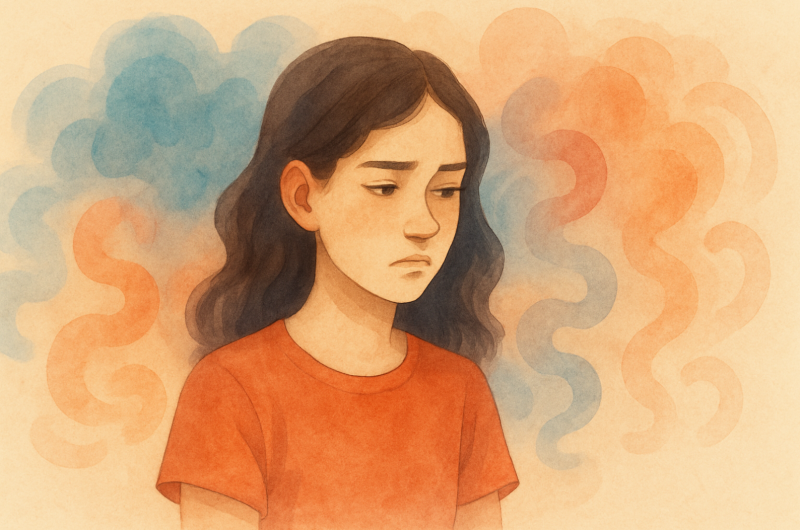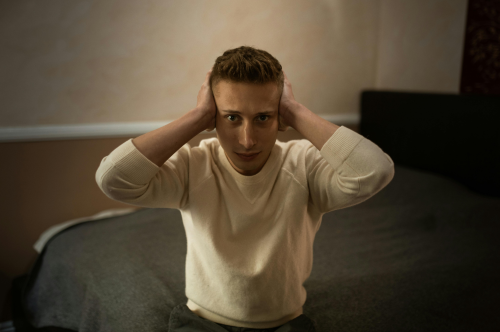
Fear is a natural part of life—but phobias are something more intense, and often harder to explain. Learn the difference between fear and phobia, how phobias form, and what can help.
By Sergio Toledo
Editor-in-Chief, Heed to Heal
Introduction
Fear is part of being human. It keeps us safe, alert, and responsive in moments of danger. When you jump back from a moving car or your heart races before a big presentation, that’s fear doing its job. It’s your nervous system preparing you to survive—a built-in alarm system meant to protect you.
Fear is usually triggered by something immediate or logical. It’s proportionate to the threat, and once the situation passes, so does the feeling. But what happens when fear sticks around long after the danger is gone—or when it attaches itself to something that’s not truly threatening?
That’s where phobias come in.
What Is a Phobia?
A phobia is more than fear. It’s a type of anxiety disorder that causes intense, persistent, and often irrational fear of a specific object, situation, or activity. People with phobias usually recognize that their reaction is excessive, but they can’t control it. Just thinking about the source of the phobia can bring up distress. Being exposed to it—even briefly—can trigger panic, nausea, racing heart, or an overwhelming urge to escape.
Unlike everyday fear, phobias tend to interfere with a person’s daily life. They might avoid certain places, cancel plans, or structure their routines around avoiding the object of fear. It’s not just discomfort—it’s a level of dread that can feel paralyzing.
Common vs. Uncommon Phobias
Some of the most recognized phobias include:
- Arachnophobia – fear of spiders
- Acrophobia – fear of heights
- Claustrophobia – fear of small or enclosed spaces
- Agoraphobia – fear of public or open spaces, often tied to panic attacks
There are also less common phobias, like:
- Emetophobia – fear of vomiting
- Trypophobia – fear of holes or clusters
- Nomophobia – fear of being without a phone or disconnected
- Phobophobia – fear of developing a phobia
These may sound unusual, but to the person experiencing them, the fear is very real and distressing.
Where Do Phobias Come From?
Phobias can develop for several reasons. Some stem from a traumatic or frightening experience, like being trapped in an elevator or bitten by a dog. Others may form without a clear trigger, possibly linked to genetics, learned behavior, or brain chemistry.
Children might develop phobias after observing a parent react fearfully to something. Some phobias seem to be rooted in evolutionary survival—for instance, a fear of snakes or heights may once have protected us from danger in the natural world.
Regardless of the origin, the result is the same: a powerful emotional and physical reaction that can feel hard to control.
The Impact on Daily Life
Because phobias often seem “irrational” from the outside, people who live with them may feel ashamed, embarrassed, or misunderstood. They might hide their fears or avoid talking about them altogether.
But phobias are not signs of weakness or attention-seeking. They are real mental health conditions that deserve compassion, not judgment.
What Can Help?
The good news is, phobias are treatable. One of the most effective methods is Cognitive Behavioral Therapy (CBT), especially when combined with exposure therapy—a gradual, controlled process of facing the fear in small steps. Mindfulness, breathing techniques, and support from a trained therapist can also make a big difference.
For some people, understanding their phobia is the first step toward healing. Knowing that you’re not alone—and that your experience has a name—can bring relief and hope.
Final Thoughts
Fear is a normal, healthy part of life. But phobias are something different: a magnified fear response that can take over and shrink your world. If you’re living with a phobia, you’re not broken or weak—you’re human. And help is possible.
Whether your fear is of heights, enclosed spaces, or something less talked about, you deserve understanding, support, and the chance to feel safe again.
References
- American Psychiatric Association. (2013). Diagnostic and Statistical Manual of Mental Disorders (5th ed.) (DSM-5).
- Antony, M. M., & Watling, M. W. (2006). Overcoming Medical Phobias: How to Conquer Fear of Blood, Needles, Doctors, and Dentists. New Harbinger.
- Craske, M. G., et al. (2008). Cognitive-behavioral therapy for panic disorder and phobias. In D.H. Barlow (Ed.), Clinical Handbook of Psychological Disorders (4th ed.).
- Mayo Clinic Staff. (2023). Phobias: Symptoms and Causes. Mayo Clinic. https://www.mayoclinic.org/diseases-conditions/phobias
Originally published by Heed to Heal, 07.02.2025, under the terms of a Creative Commons Attribution-NonCommercial-NoDerivatives 4.0 International license.