When you’re being stared at in public for no clear reason, it can feel unsettling. Here’s why people do it and how to stay grounded when it gets under your skin.
By Sergio Toledo
Editor-in-Chief, Heed to Heal
Introduction
We’ve all felt it—that uneasy sensation when someone won’t stop looking at you in public. You weren’t doing anything out of the ordinary, but their eyes seem fixed on you anyway. Whether it’s a glance that lingers too long or a stare that won’t break, it can leave you feeling exposed, unsettled, or even self-conscious. If this happens to you more often than you’d like to admit, you’re not alone—and you’re not imagining it. Let’s talk about why people stare and how to stay grounded when it starts to get under your skin.
When You’re Just Existing—and People Stare Anyway
You’re standing in line. Walking down the street. Sitting at a café. You’re not doing anything unusual, and yet—someone’s staring. Or worse, multiple people. You glance away, then glance back. Still staring. A question starts to rise in your head: Why?
For many people, being stared at for no obvious reason can trigger a wave of discomfort—like being put under a spotlight you never asked for. And while you might try to shake it off, the feeling lingers. What did I do? Do I look strange? Am I being judged?
The truth is, staring doesn’t always mean what we think it does—but that doesn’t make it easier to experience. And for anyone who struggles with self-consciousness or anxiety, it can feel downright distressing.
Why Do People Stare—Even When You’re Not Doing Anything?
People have all sorts of reasons for staring, and most of them have more to do with them than with you. Here are a few possibilities:
- Curiosity and Memory: Sometimes people stare because something about you caught their eye—your style, hair, expression, or energy. They may not even realize they’re doing it. You might remind them of someone they used to know or miss, or maybe you’re doing something that triggers a memory for them. In those moments, they might just be lost in thought—not meaning to make you feel uncomfortable at all.
- Judgment or bias: Unfortunately, some stares come from assumptions. People may react to someone who looks, moves, or expresses themselves differently from what they’re used to. If you’ve ever felt like you’re being watched unfairly, you’re not imagining it—and you’re not the problem.
- Lack of social awareness: Some people simply never learned how to manage eye contact respectfully. Others might be neurodivergent and unaware of how long they’re looking.
- Unspoken tension: In a small number of cases, someone may stare due to discomfort, control, or unease—especially in environments where they feel uncertain. Even if they’re not trying to intimidate you, their body language can come across that way.
Why It Feels So Unsettling
Our brains are wired to notice when we’re being watched. It’s a survival mechanism—something ancient and built-in. But it also means that being stared at, especially without context, can feel like a threat, even if there isn’t one.
If you already struggle with anxiety, body image, or past experiences of being judged, a stranger’s stare can send you spiraling. It’s easy to start scanning yourself for flaws, even when you were feeling fine a moment before.
How to Cope When It Gets to You
You don’t have to ignore how it makes you feel—but you also don’t have to let it undo your sense of calm. Here are some gentle ways to stay grounded:
- Remind yourself it’s not always about you. People are in their own heads. They might be zoning out. They might think you look familiar. The story you’re telling yourself may not be true.
- Don’t rush to shrink. You don’t need to lower your gaze, change your posture, or take up less space. You’re allowed to exist.
- Ground yourself in the moment. Focus on your breath, feel your feet on the floor, or redirect your attention to your surroundings. This brings you back into your body, not theirs.
- Use a neutral or confident response. If you make brief eye contact and it continues, try looking back with calm neutrality—or simply walk away. You don’t owe anyone an explanation or apology for being you.
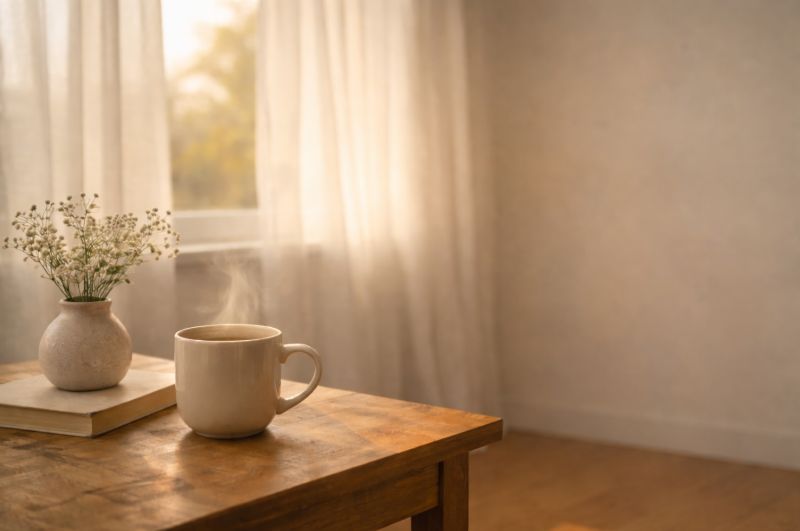
- Decompress afterward. If the experience stays with you, give yourself space to process it. Talk it out with a trusted friend. If you’re not into journaling, you can also speak your thoughts out loud and sit with a warm drink—the warmth can calm your nervous system, signal safety to your brain, and create a small moment of stillness, helping you feel more grounded. Sometimes, simply naming the discomfort in whatever way feels natural is enough to help release it.
You’re Not Too Sensitive—You’re Human
It’s easy to feel like you’re “overreacting” when people stare and it gets to you. But discomfort in those moments doesn’t mean you’re weak or insecure. It means you’re human—and attuned to how the world interacts with you.
You don’t have to carry their gaze with you. You are allowed to keep your peace, protect your energy, and walk away with your head held high.
References
- Pavlov, I. (2021). Why Being Watched Feels So Uncomfortable. Psychology Today.
- Manago, A. (2022). Unwanted Attention in Public Spaces: The Psychology of the Gaze. The Conversation.
- American Psychological Association. (n.d.). Understanding Social Anxiety.
- Greater Good Science Center. (2020). How to Ground Yourself in Moments of Stress.
Originally published by Heed to Heal, 07.31.2025, under the terms of a Creative Commons Attribution-NonCommercial-NoDerivatives 4.0 International license.