How Language Changes When You’re Anxious
Anxiety can change the way you speak and express yourself. Learn why language becomes harder during anxious moments and how to find calm in your communication again. By Sergio ToledoEditor-in-Chief,…
Struggling to find the right words is common. Learn why it happens, how stress and emotion play a role, and why it’s not a sign of weakness. By Sergio ToledoEditor-in-Chief,…
Utterances like um, wow and mm-hmm aren’t garbage — they keep conversations flowing. By Bob HolmesScience Writer Listen carefully to a spoken conversation and you’ll notice that the speakers use a lot of little quasi-words — mm-hmm, um, huh? and…
New research shows that people with depression use words such as ‘always’, ‘nothing’ or ‘completely’ more often than others. By Mohammed Al-MosaiwiPhD Candidate in Psychology University of Reading Introduction From the way you move and sleep,…
Try to figure out why learning a language is important to you. By Dr. Abigail ParrishLecturer in Languages Education University of Sheffield Are you thinking about learning a language? Perhaps you’ve decided that it’s time to dust off…
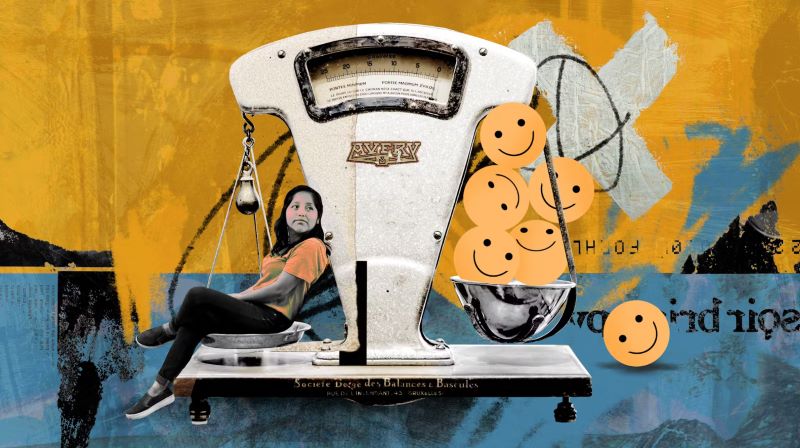
How do we describe what it means to be happy? In this extract from ‘The Book of Human Emotions’, cultural historian Tiffany Watt Smith charts how the definition of happiness…
Being bilingual benefits children as they learn to speak — and adults as they age. By Ramin SkibbaScience writer and freelance journalist Introduction Even when you’re fluent in two languages,…
Most people can draw from tens of thousands of words in their memory within milliseconds. By Dr. Nichol CastroAssistant Professor of Communicative Disorders and SciencesUniversity at Buffalo Introduction The days…